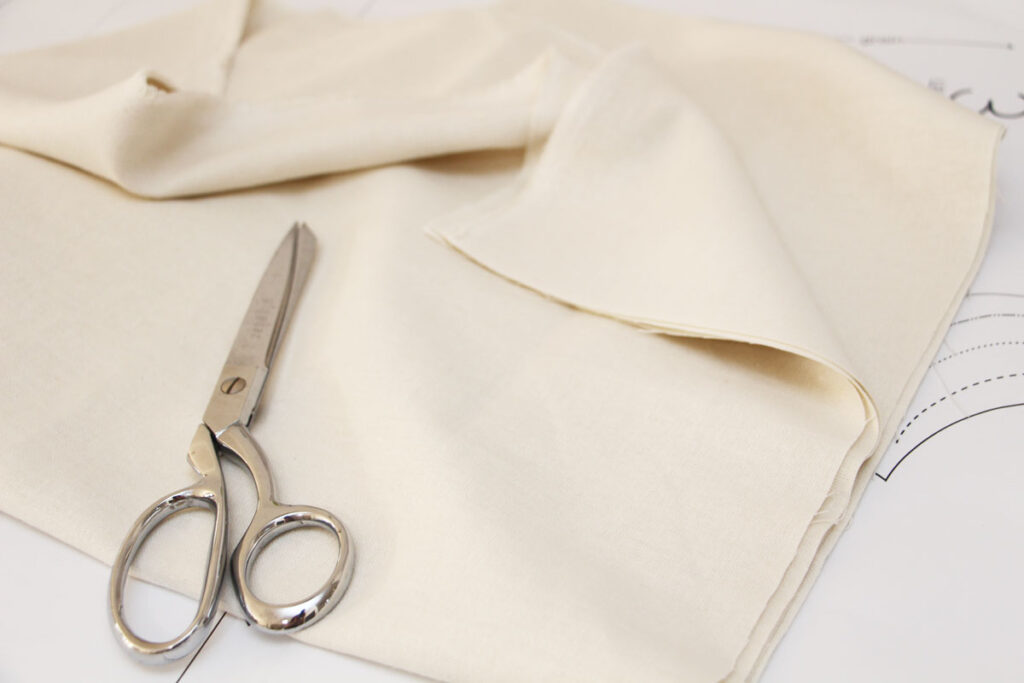
Last year in early December, I visited a large retail fabric store in Perth, close to my home. Its convenient location and long hours made it seem like an easy choice for my project. I was searching for pale, high-quality linen—in white, cream, beige, or flaxen hues—to help my children decorate tea towels as Christmas gifts for their grandparents.
At the store, I faced a wall of fabric that was mostly linen blends or ‘linen look’ materials, which felt cheap and thin. I asked a sales assistant for help finding 100% linen. She abruptly replied that what was on display was all they had. Politely, I asked again if she knew of any pale, pure linen options, noting the disorganized bolts. She appeared irritated, stated she didn’t know, and continued stacking fabric and updating prices, ignoring me. My confusion turned to frustration. I sorted through bolts on the ground, with the assistant nearby but unhelpful. I finally found a nice cream-colored 100% linen. However, at the register, I was initially told the price was $75 per metre, which seemed high for that store. After two assistants spent time checking, they clarified it was $75 for the entire bolt, and I could not buy just one metre. Their signage was misleading, and when I asked for the manager, I learned one of them already was. I expressed my disappointment with their customer service and left. The next day, I drove to a small independent fabric store, a favorite of mine, despite its slightly longer drive, higher prices, and less convenient hours. Upon entering, I was cheerfully greeted by a sales assistant who asked how she could help. When I explained my project, she understood immediately. She promptly pulled out three bolts of beautiful 100% linen, laid them out for us to examine together, and offered expert advice on which fabric would work best for the children to decorate, which would hold up to drying dishes, which color looked cleanest, and how much shrinkage to expect. She was patient, engaged, and knowledgeable. I admired her outfit, and she pointed out which fabrics from the store she had used, chatting about sewing patterns. Other customers arrived, and we shared laughs over our inability to leave with just one item and our mutual love for the fabrics in the store.My purchases were wrapped and placed inside a small paper bag, and I was wished luck with my tea towels. I walked out feeling immensely pleased.
I spent three times the amount I would have at a large retail store, and I didn’t even care. Do you see what I’m getting at here? At the end of the day, you always get what you pay for. Always. Big retail stores will always be cheaper. They offer a wide range of cheap items and have sales assistants who don’t care about you and know little about sewing. Independent stores care. They are more expensive, yes. But their products are higher quality and their service is at a higher standard. They are like you and me—they sew and love it. They are one of us. If you need help, they will actually provide it. I know many have said it before, but it bears repeating. Next time you go to buy fabric, skip the big retailers. Take the drive to the small store with heart. We should support stores that truly care about our craft and practice it with us. (Oh, and the tea towels turned out really great.)