In our daily lives, we often yearn to add unique elements to our homes, making them more personal and cozy. Handcrafting creative home decor not only fulfills this desire but also brings endless fun and a sense of achievement. To create exquisite creative home decor, learning basic craft skills is the crucial first step. Below, let’s step into this charming world of handicrafts together.
I. Introduction to Basic Craft Skills
When making pottery, first, choose the appropriate clay. Different clays have different characteristics and applicable scenarios. Then, shape the desired form through methods such as hand modeling and throwing on a potter’s wheel. Finally, fire and paint the pottery. The control of firing temperature and time is very important as it will affect the quality and effect of the work.
3. Woodworking Skills Woodworking is a handicraft that processes and manufactures using wood. In the production of creative home decoration accessories, woodworking can be used to make wooden photo frames, ornaments, storage boxes, etc. Woodworkers need to master the usage methods of basic tools such as saws, planes, chisels, and drills. For example, use a saw to cut wood into appropriate sizes, use a plane to flatten the wood surface, and use a chisel to create mortise and tenon joints to make furniture more firm and beautiful. At the same time, choosing the right wood is also crucial. Different woods have different hardness, textures, and colors, and can be selected according to the design requirements of the accessories. II. Cases of Creative Home Decoration Accessories Production 1. Weaving Tapestry Production Materials: Colored wool, knitting needles, tapestry frame. Steps: First, wind the wool around the tapestry frame and fix the starting position. Then, according to the design pattern, use different knitting stitches. For example, use plain knitting to create large areas of color blocks and twisted stitches to create unique textures.During the weaving process, you can timely change the yarn colors to enhance the sense of layering and richness of the tapestry. After completing the weaving, remove the tapestry from the frame, trim the edges, and install hooks. A beautiful woven tapestry is then completed.
2. Pottery Vase Making
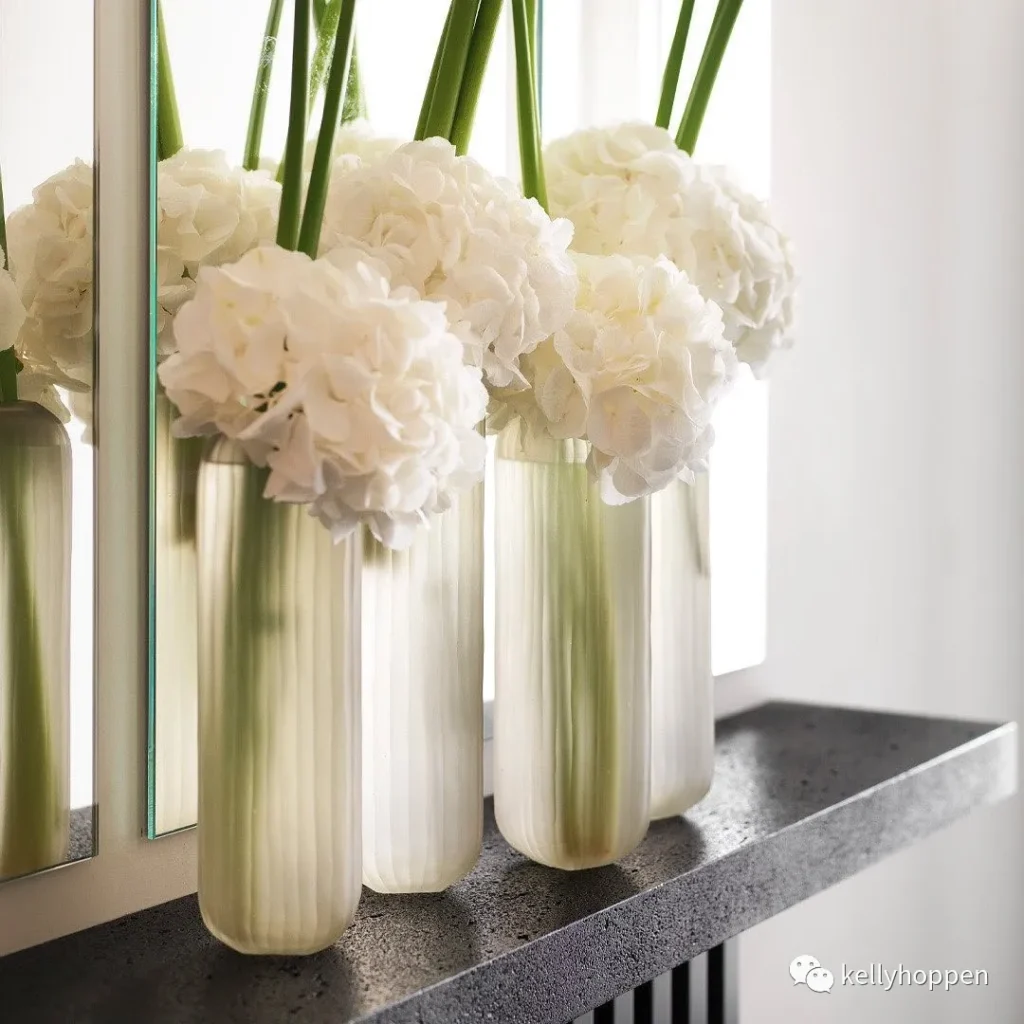
Materials: Clay, pottery tools (such as shaping tools, carving knives, etc.), glaze, and firing equipment. Steps: First, knead the clay evenly to remove air bubbles. Then, use manual pinching or wheel throwing methods to shape the clay into a vase form. Next, carve your preferred patterns or textures on the vase surface using carving knives and other tools. Afterward, apply glaze to the vase, which will present different colors and lusters after firing due to different glazes. Finally, place the vase in the firing equipment and fire it at an appropriate temperature and duration. A beautiful pottery vase is then created.
3. Woodworking Picture Frame Making
Materials: Wood (such as pine, oak, etc.), saw, plane, chisel, hammer, nails, sandpaper, paint or varnish. Steps: Cut the wood into the required length and width for the picture frame border using a saw. Plane the wood surface to make the border smoother. Create mortise and tenon joints using a chisel and hammer to assemble the border. Sand the picture frame to achieve a fine surface. Lastly, choose paint or varnish based on preference to protect the wood and enhance its appearance. A practical and aesthetically pleasing woodworking picture frame is then completed.
III. Common Questions and Answers
Q: What to do if the yarn always knots up during knitting?
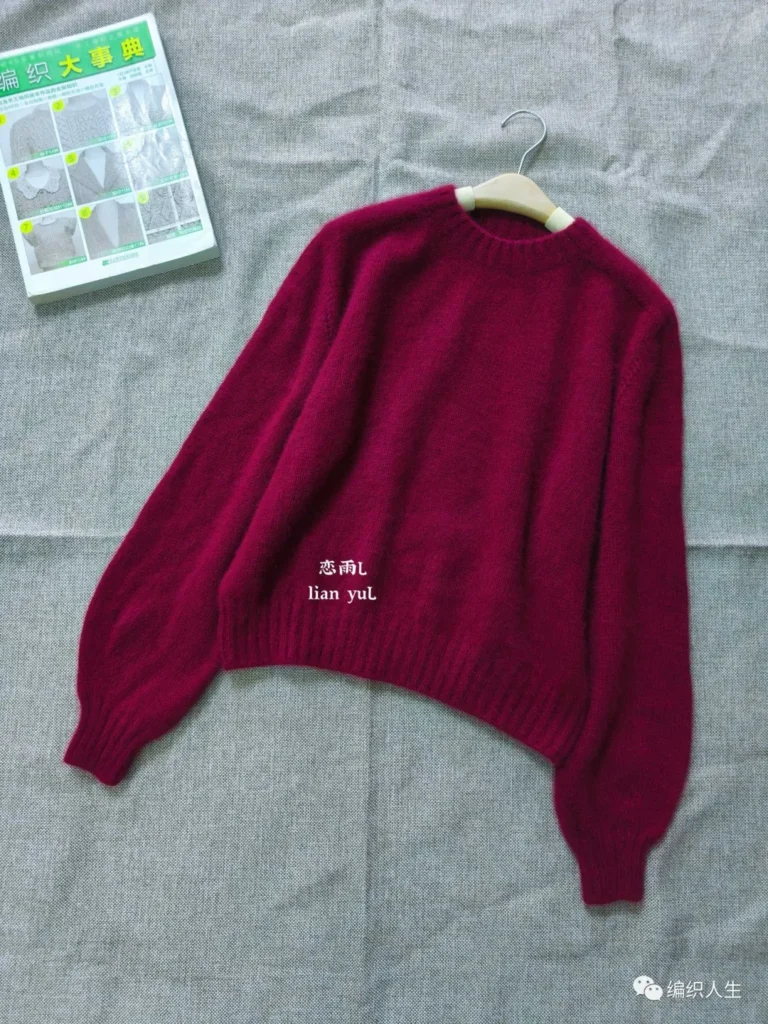
For instance, the pairing of similar colors like blue and green can evoke a fresh and natural feeling; the complementary colors red and green can create a strong visual impact. 5. Question: What to do if the glaze on pottery is uneven? Answer: Ensure the pottery surface is clean and smooth before glazing. Apply the glaze with even pressure and technique, and consider applying multiple coats to achieve a more uniform glaze layer. 6. Question: What to do if wood warps easily in woodworking? Answer: Choose wood with the appropriate moisture level, avoiding wood with high water content. After completion, avoid exposing the wood to damp or high-temperature environments for extended periods. 7. Question: What to do if the stitches are always uneven during knitting? Answer: Practice more to master the tension and rhythm of knitting. You can start with some simple stitch exercises before moving on to formal knitting once you are proficient. 8. Question: What are the tips for successful pottery throwing? Answer: Maintain stable hands and even pressure during the throwing process.
Slowly lift from the bottom upwards, controlling the speed and shape of pottery wheel throwing. You can start with some simple exercises and gradually master the pottery wheel throwing skills.
9. Q: How to choose the right wood in woodworking?
A: Choose according to the use and design requirements of the ornaments. If high strength is required, you can choose oak, etc.; if you pursue beautiful textures, you can choose walnut, etc. At the same time, pay attention to the quality and dryness of the wood.
10. Q: Do you need a lot of tools for creating creative home ornaments?
A: In the early stage, you can prepare some basic tools first. As your production experience increases and your requirements for craftsmanship improve, gradually add other tools. Different handicraft skills require different tools. For example, knitting mainly requires knitting needles, etc., while woodworking requires a variety of tools such as saws and planes.
If you want to know more about a certain handicraft skill or a specific ornament production case, such as the detailed use of specific tools and more creative design ideas, you can tell me at any time and I will help you further.