From curtains, lighting, furniture, shelves, display cabinets, and other accessories to certain structural and architectural elements, there are many creative ways to introduce a fashionable atmosphere into the home. Personal items, photographs, and cherished collections can also bring life to a space. This article shares 10 DIY interior soft furnishing tips from Kelly Hoppen. They are simple and easy to follow, making them accessible even for beginners. Let’s start creating your dream home!
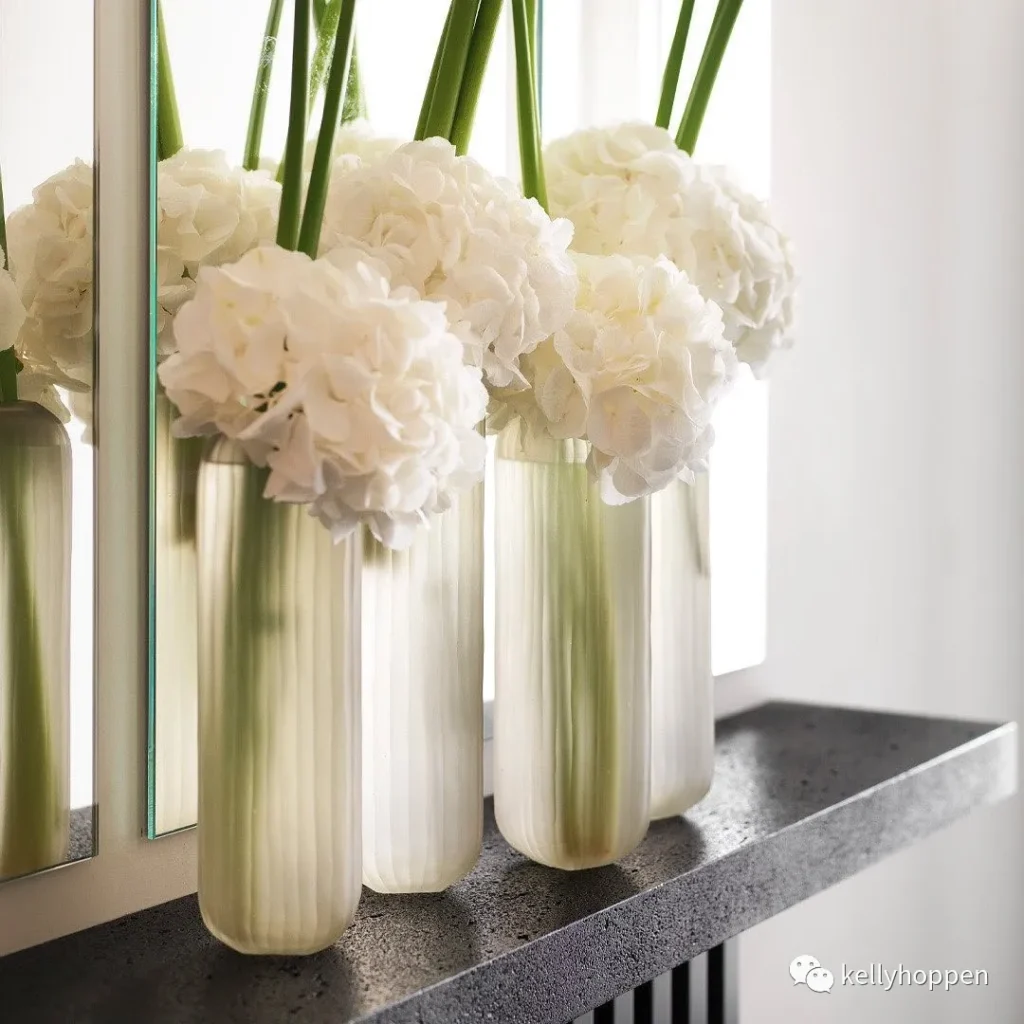
Tip 1: Decorate with Plants to Revitalize Your Space Living plants or resin-made corals, crystals, quartz, and glass vases filled with fresh flowers or greenery are among Kelly’s favorite decorative pieces. Ceramics, sculptures, artworks, and impressive lighting fixtures can be used to introduce sensual curves and organic forms into a space. Sofas and windows are often linear. For other furniture, such as a square or rectangular coffee table, try accentuating it with curved bowls, vases, or floral arrangements. Kelly is a strong advocate for using organic shapes and materials in home decor. They bring a sense of authenticity, cohesion, and tranquility to a space. Nature inherently possesses a rustic and soothing effect. Natural wood grain, the free-flowing veins of marble, the delicate yet solid form of coral, and the unique shapes of crystals and quartz are undoubtedly pleasing to the eye. When introducing smooth curves and organic shapes to soften straight lines, it is crucial to create a comfortable balance, ensuring the overall result is harmonious. Tip 2: Add Artistic Flair with Personal Accessories Where and how you display items like floral arrangements, potted plants, or artistic ornaments is very important. Even ordinary objects from daily life can be elevated into stunning art pieces through clever arrangement. The visual impact of a neatly aligned row of simple items should not be underestimated. The goal is for the display to complement the room’s overall layout and style, adding interest and drawing attention without feeling out of place. Consider the design grid and furniture placement holistically. Ensure visual appeal from the main seating area and maintain good sightlines when entering and moving through the space. The color and texture of the displayed items should also be coordinated with the room’s other design elements. There must be one or more central elements that tie everything together into a cohesive whole. A unified collection of displayed items is always pleasing to the eye. Sometimes, simplicity is best. In the left image, the soft sheen and solid texture of the dark wooden tabletop highlight the elegance and beauty of the matte ceramic set.The combination of both achieves a visually balanced and natural look without appearing forced.
Tip 3: Aromatherapy for a Refreshing Ambiance. Aromatherapy not only soothes the mind, enhances complexion, and relieves stress, but also creates a full romantic and comfortable atmosphere in indoor spaces. Pure plant essential oils contain many phytoncides, which can stimulate the body’s autonomic nervous system, stabilize its secretion system, and naturally refresh the mind and boost vitality. As a carrier, fragrance can reflect the personality and depth of an individual or even a home, instantly elevating the style of the entire space. It is an essential item for creating a fashionable, personalized, and tasteful elegant residence. Tip 4: Mirrors to Play with Light and Shadow. Mirrors serve several functions. First and foremost is their practical utility, especially when placed in dressing rooms, bathrooms, and hallways. They allow you to thoughtfully coordinate outfits, perform necessary daily grooming, and check your appearance before leaving home. Whether using a single mirror, a pair, or a group of mirrors, they are another clever way to add decoration and texture to your home. With countless sizes, shapes, and finishes available, a matching mirror design can be found for any style of interior space. Mirrors can also create a wonderful effect by reflecting and bouncing light around a room. Placing a mirror in front of a window will amplify the natural light entering the space, making it appear lighter and brighter. The same applies to artificial light, which can be reflected by positioning mirrors to catch decorative lighting, such as chandeliers, strings of sparkling crystals, or clusters of glass bubbles. Tip 5: Wall Hangings to Refresh the Atmosphere. Personal items, photographs, and collectibles can bring life to a home. Kelly also enjoys using illustrations to emphasize the color scheme of each room. Different combinations can also produce unexpected effects, highlighting creative pairing designs. Some surprising tricks can directly make the design stand out from the ordinary. When collecting and organizing your mood board, try to find a fresh and unusual way to combine items, allowing them to burst with stunning reverse charm. Tip 6: Floors and Walls in Harmony. Both walls and floors offer ample opportunity to introduce contrasting textures and materials into a room’s scheme. Since both occupy large areas, it is crucial to decide whether you want them to blend into the background or become a focal point. When selecting materials for floors and walls, consider the room’s proportions, the placement of doors, windows, and architectural features, as well as your design grid. Inlaying streamlined patterns on floors and walls is a clever way to emphasize the grid while introducing new materials, patterns, and textures.Also consider furniture and artwork, ensuring that your chosen flooring and wall treatments complement these elements rather than clash with them. If the budget is tight, an accent wall or streamlined decor allows you to use relatively expensive materials in a small area.
Tip 7: Lighting—Create a Feast of Light. When the sun sets and natural light fades, the overall ambiance of a room is significantly influenced by the type and quality of lighting. Mood lighting sets the tone for a space, ideally soothing and relaxing. As the name suggests, mood lighting creates background atmosphere for a room. The most effective approach is often through a combination of table lamps, floor lamps, and pendant lights to create a pool of soft, warm light. In your design, using transparent and opaque materials allows you to manipulate and filter light, freely transforming solidity, void, and shadow. Transparent materials do not block the line of sight and feel visually light. Kelly prefers using pendant lights in more unexpected ways, such as hanging them lower in a corner of the room, to one side, or above seating and dining areas—used singly or in rows or clusters. Soothing light that covers walls and floors is also an important part of mood lighting; wall lights, uplights, and downlights can create warm background illumination. The golden rule of lighting design is to establish layers of light, providing as many configurations and options as possible to meet the practical needs of the space. Building layered lighting in each space gives you more choices, making the space more balanced and flexible. Each layer of lighting cooperates with the others while playing its own unique role, allowing you to create different effects and atmospheres. Tip 8: Sofas and Lounge Chairs—Creating Comfortable Corners. Bright, vibrant seating and sofas are also items that can energize an interior space. These pieces are not only practical but also serve decorative functions. Such personalized decor can reveal aspects of the occupant’s personality and lifestyle, making a place truly feel like ‘home.’ Seats in different colors convey different moods and atmospheres. We spend a significant amount of our lives at home, and every detail reflects who we are and what excites and delights us in this world. It should be a place where we can express our passions, surrounded by everything that brings us joy, making us feel deeply safe, calm, and relaxed while also gaining inspiration and energy. Besides vibrant color choices, gentle neutral color schemes can also be used for decoration, creating peaceful and serene poetic corners. Tip 9: Throw Pillows—Simple Comfort. Among all decorative items, throw pillows are perhaps the simplest and most comforting pieces. However, when selecting them, be sure to consider their coordination with other items in the interior; it is best if they echo each other.Pillows in different colors and textures can evoke distinct sensations. Linen fabric is particularly practical for summer, as its fine, smooth surface, soft and elastic hand feel, cool and comfortable wear, and moisture-wicking properties make it an ideal material for various warm-weather garments. In contrast, wool and velvet fabrics are better suited for winter, creating a warm and cozy atmosphere.
Tip 10: Shelving to Showcase Personality. A home should be unique to its inhabitants, making personalized displays that reflect the owner’s character essential. Shelving offers endless design possibilities. Beyond meeting practical storage needs, it serves as a decorative canvas for displaying favorite items and collections, such as books, paintings, plants, flowers, or candles. The choice of shelving style is crucial and should be considered as part of the room’s overall design from the outset. Options like independent floating shelves, built-in shelves, or standalone dressers can reinforce a grid-like structure to establish a cohesive style. Kelly Hoppen favors arranging identical items in irregular patterns, a simple yet captivating aesthetic.